Freezer Meal Planning with Lamb and Veal: A Month of Dinners
Stock your freezer with premium lamb and veal for effortless weeknight dinners. Our meal planning guide covers storage, thawing, and 4 weeks of recipes.
 Lamb & Veal Editorial Team · · 9 min read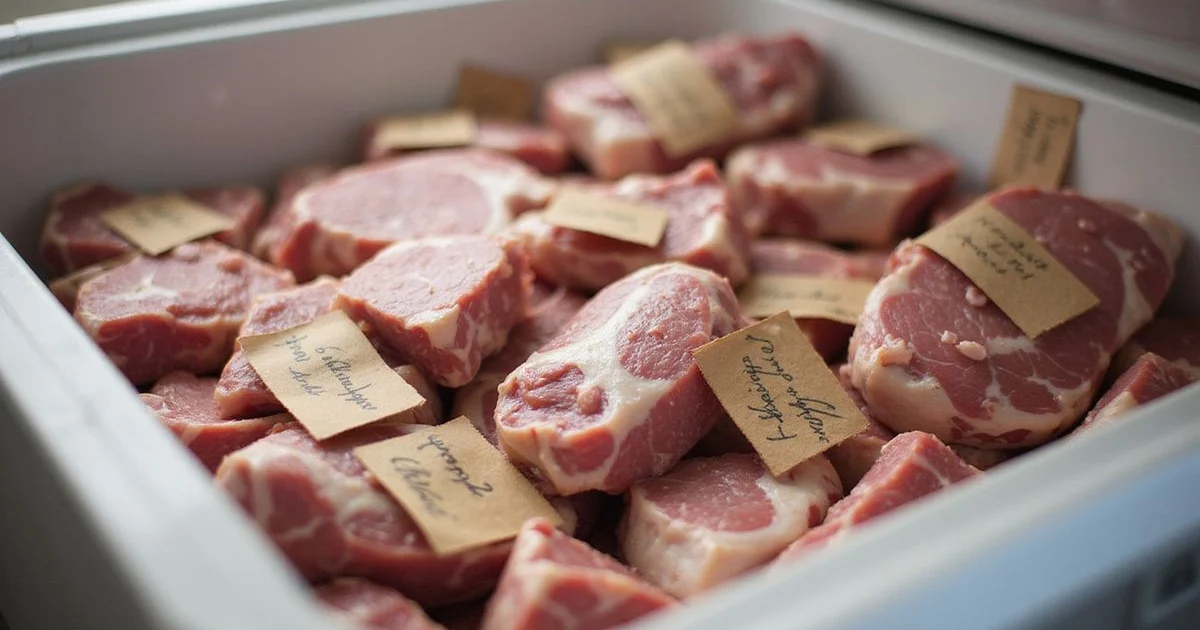
We know the feeling of staring into the fridge at 5:30 PM with high hopes but zero plan.
The promise of a premium lamb dinner often clashes with the reality of a chaotic Tuesday schedule.
Our team has found that freezer meal planning is the single most effective way to bridge this gap.
You might be surprised to learn that the average American family of four wastes nearly $3,000 annually on unused groceries, according to 2025 EPA estimates.
We see this number as a clear signal that a better system is needed.
By dedicating just one afternoon a month to processing your bulk lamb and veal orders, you can secure twelve high-quality dinners that are ready when you are.
This guide will walk you through the exact storage techniques, safety protocols, and a four-week schedule that we use to make weeknight gourmet a reality.
The Freezer Basics: Storage and Shelf Life
We cannot stress enough that proper packaging is the difference between a delicious meal and a wasted cut.
Oxygen is the enemy of frozen meat because it causes freezer burn, which draws moisture out and ruins the texture.
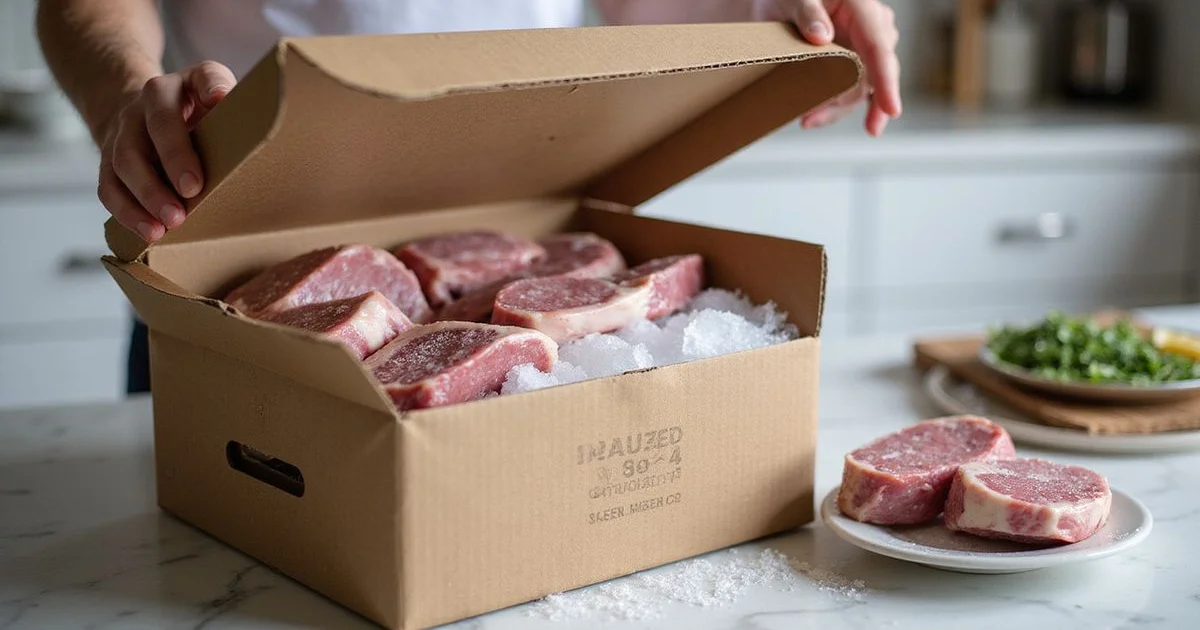
Our experts recommend vacuum sealing as the only foolproof method for long-term storage.
If you are buying in bulk to offset the 8-12% rise in meat prices seen in late 2025, a dedicated vacuum sealer like the FoodSaver V4400 or the heavy-duty Weston Pro-2300 is a wise investment.
We have found that these machines pay for themselves quickly by protecting your inventory from spoilage.
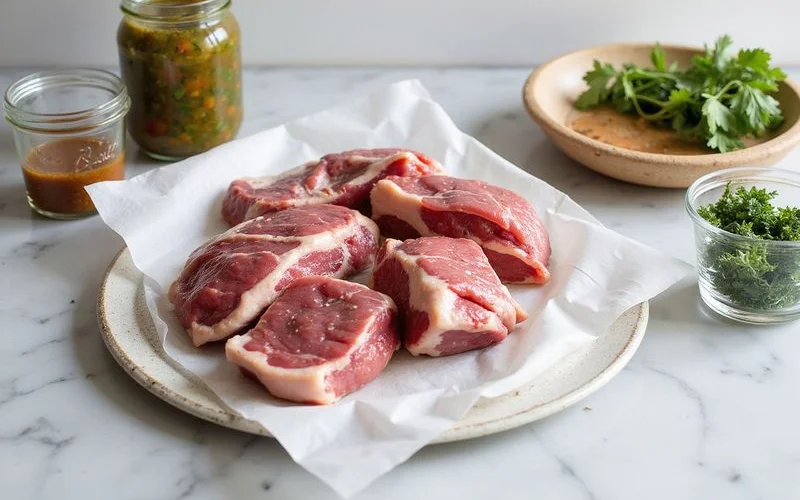
For those without a vacuum sealer, we suggest the “double-wrap” method.
Wrap the meat tightly in plastic wrap first, then add a layer of heavy-duty aluminum foil before placing it in a freezer-safe zipper bag.
Our kitchen staff always presses as much air as possible out of the bag to mimic a vacuum seal.
You should also label every single package with the cut type, weight, and the date it was frozen using a piece of masking tape and a permanent marker.
We use masking tape because it peels off easily without leaving a sticky residue on your reusable containers.
How Long Does Frozen Lamb and Veal Last?
We follow strict USDA guidelines which state that while meat kept at 0°F is safe indefinitely, the quality degrades over time.
A vacuum-sealed lamb roast will maintain peak freshness for 8 to 12 months.
Our experience shows that ground meat is more sensitive to oxidation and should be used within 3 to 4 months for the best flavor.
| Cut Type | Vacuum Sealed Storage | Wrapper/Bag Storage |
|---|---|---|
| Whole Roasts (Leg, Shoulder) | 8-12 Months | 6-9 Months |
| Steaks & Chops | 8-12 Months | 4-6 Months |
| Ground Lamb/Veal | 3-4 Months | 2-3 Months |
| Cooked Leftovers | 2-3 Months | 1-2 Months |
Thawing: The Non-Negotiable Step
We consider thawing to be just as critical as the cooking process itself.
The “Danger Zone” for bacterial growth is between 40°F and 140°F, so you must never leave meat on the counter to thaw.
Our standard operating procedure is to move the frozen cut from the freezer to the refrigerator 24 hours before cooking.
You should place the thawing meat on a rimmed baking sheet or plate to catch any condensation or juices, preventing cross-contamination with other food in your fridge.
Most chops and steaks will be ready in 12 hours, while a thick leg of lamb might require a full 24 to 36 hours.
If you find yourself in a pinch, we recommend the cold-water method as a safe backup.
Submerge the sealed package in a bowl of cold tap water, weighing it down with a plate if it floats.
We change the water every 30 minutes to ensure it stays cold, which typically thaws a one-pound cut in under an hour.
Building Your Four-Week Meal Plan
We have designed this framework to help you rotate through different cuts and cooking styles.
This approach ensures you aren’t eating the same type of meal two nights in a row and helps you utilize every part of your bulk order.
Our plan assumes three premium dinners per week, leaving the other nights open for leftovers or pantry staples.
Week One: Quick-Cooking Cuts
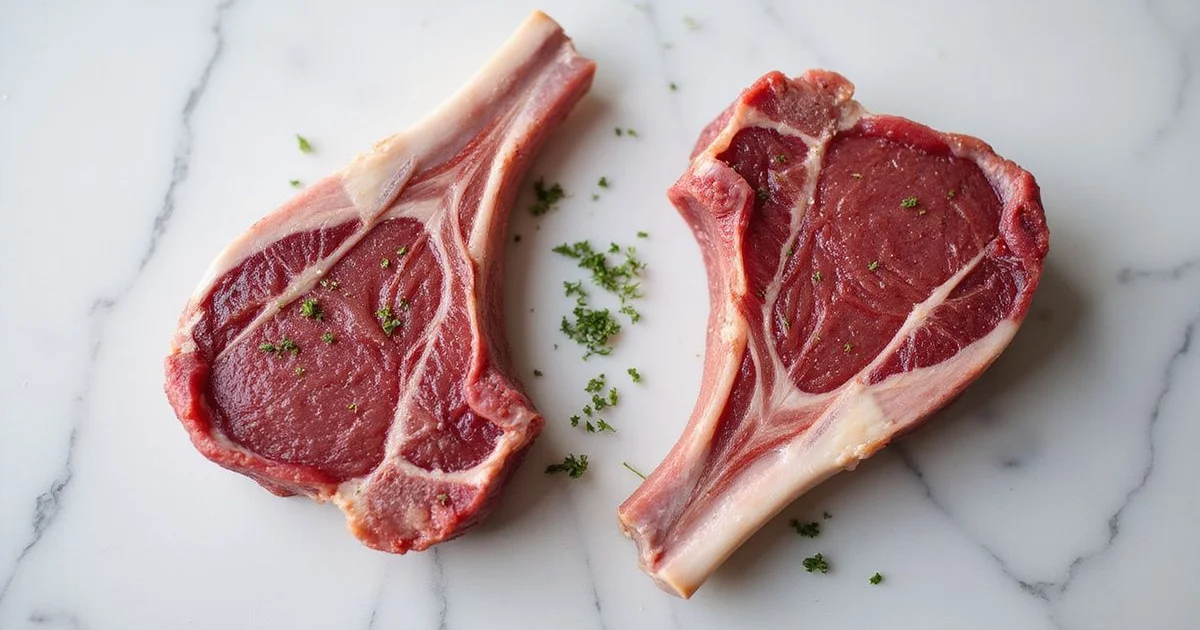
Monday — Lamb Loin Chops. We suggest thawing two chops per person the night before. Season them simply with salt, pepper, and garlic powder, then pat the meat extremely dry with a paper towel before cooking. Removing surface moisture is the secret to getting a deep brown crust, known as the Maillard reaction. Sear in a hot cast-iron skillet for three minutes per side until the internal temperature reaches 145°F. Rest for five minutes and serve with quick-cooking couscous.
Wednesday — Ground Lamb Kofta. We love this recipe for its versatility and speed. Mix one pound of thawed ground lamb with grated onion, cumin, coriander, and fresh parsley. Our team finds that wetting your hands slightly prevents the meat mixture from sticking while you form the patties. Grill or pan-fry for four minutes per side and serve with warm pita and a cucumber yogurt sauce. Active cooking time is roughly twenty minutes.
Friday — Veal Scallopini. We recommend buying pre-pounded milk-fed veal cutlets or flattening them yourself between sheets of plastic wrap. Dredge the cutlets in seasoned flour and fry rapidly in a mix of butter and olive oil. The flour coating protects the delicate meat and helps thicken your pan sauce later. Deglaze with white wine and lemon juice for a bright, acidic finish that cuts through the richness.
Week Two: Slow-Cooker and Braised Meals
Monday — Slow-Cooker Lamb Shoulder. We rely on this “set it and forget it” method for busy Mondays. Thaw a two-pound boneless shoulder and sear it aggressively in a pan before transferring it to your slow cooker. Add hearty vegetables like carrots and celery, along with a cup of red wine and beef broth. Cook on low for eight hours until the meat is fork-tender. Our chefs note that collagen begins to break down into gelatin around 160°F, which is what gives this dish its silky texture.
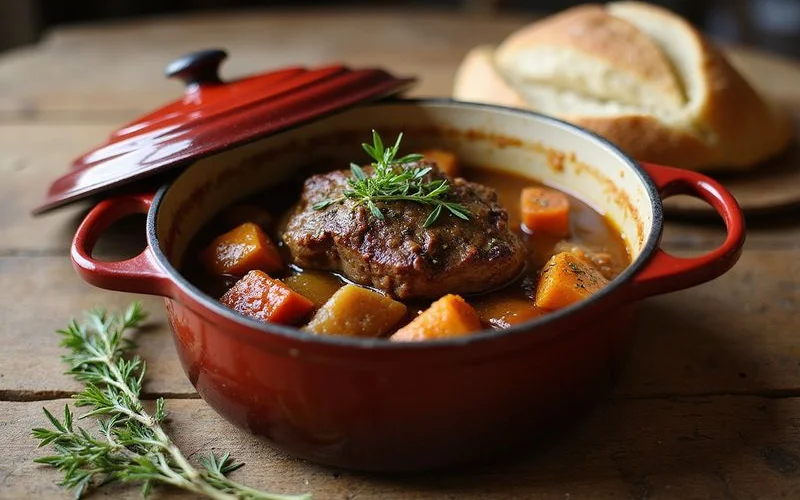
Wednesday — Braised Lamb Shanks. We treat shanks as a special mid-week reward. Braise them in a 325°F oven with garlic, herbs, and stock for two and a half hours. You should ensure the liquid covers about two-thirds of the meat to keep it moist while the exposed top browns. Serve this with polenta or mashed potatoes to catch the rich sauce.
Friday — Veal Osso Buco. We suggest dusting the veal shanks in flour before browning them in a Dutch oven. Add a classic mirepoix (onion, carrot, celery), white wine, and chicken stock. Braise at 325°F for two hours until the meat falls away from the bone. Finish with a gremolata of lemon zest, garlic, and parsley to add a fresh “pop” of flavor right before serving.
Week Three: Global Flavors
Monday — Lamb Curry. We use lamb stew meat for this dish because it becomes incredibly tender when simmered. Bloom your spices—like turmeric, ginger, and garam masala—in hot oil for 30 seconds before adding the liquid. This professional technique releases the essential oils in the spices, creating a much deeper flavor profile. Simmer with coconut milk and tomatoes for 45 minutes.
Wednesday — Veal Meatballs in Marinara. We recommend mixing ground veal with breadcrumbs soaked in a little milk to keep the meatballs tender. Bake them at 400°F for 20 minutes to set the shape before dropping them into your sauce. Simmering them in the marinara for another 10 minutes helps the flavors meld together. Serve over spaghetti or on toasted rolls for a hearty sub.
Friday — Lamb Shawarma Bowls. We marinate thinly sliced lamb leg steaks in yogurt, cumin, paprika, and lemon juice. The yogurt acidity helps tenderize the meat fibers quickly. Sear in a hot skillet for three minutes per side and slice into strips. Serve over rice with hummus, pickled turnips, and a drizzle of tahini.
Week Four: Weekend-Worthy Meals Made Simple
Monday — Lamb Burger Night. We advise pressing a small dimple into the center of each patty before freezing or cooking. This simple trick prevents the burger from puffing up into a ball as it cooks, keeping it flat and even. Grill to an internal temperature of 160°F for safety. Top with feta cheese and roasted red peppers for a Mediterranean twist.
Wednesday — Veal Piccata. We follow the same rapid cooking method as the scallopini but switch up the sauce. Add capers, lemon juice, and a knob of cold butter to the pan after removing the veal. Swirling in cold butter at the end creates a glossy, emulsified sauce that coats the pasta perfectly. Serve immediately over linguine.
Friday — Lamb Rack for Two. We save this impressive cut for the final Friday of the month. Coat a Frenched rack of lamb with Dijon mustard and herb breadcrumbs. Roast at 425°F for roughly 25 minutes, aiming for an internal temperature of 135°F for medium-rare or 145°F for medium. You must let the meat rest for at least ten minutes before slicing. This resting period allows the juices to redistribute, ensuring every bite is juicy.
The Monthly Prep Session
We have found that a focused two-hour prep session is the secret to making this plan work.
You should set up your kitchen with distinct “stations” for cutting, packaging, and labeling to stay organized.
- Sanitation Station: Keep disinfectant wipes handy and wash hands between handling different proteins.
- Portioning Station: Use a kitchen scale to ensure every bag has the exact amount of meat your family needs.
- Labeling Station: Pre-write your labels before your hands get messy.
Our team recommends processing all ground meat first, then moving to whole cuts, to minimize cleanup steps.
This upfront investment of time means you can simply grab a bag from the freezer on a busy morning and know dinner is sorted.
Interested in our Grass-Fed Lamb?
Learn More