Grass-Fed vs Grain-Fed Lamb: Taste, Nutrition, and What Actually Matters
Compare grass-fed and grain-fed lamb on flavor, fat profile, Omega-3 content, and animal welfare. An honest breakdown for informed buyers.
 Lamb & Veal Editorial Team · · 7 min read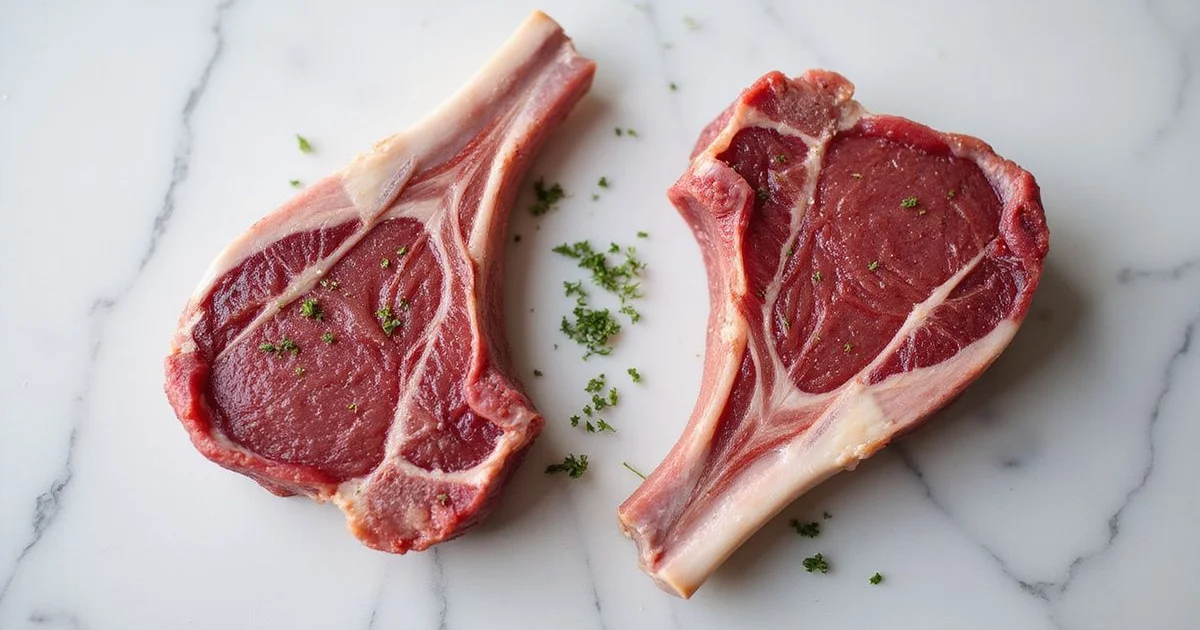
We see customers stand at the meat case every day, debating whether the higher price tag on pasture-raised meat is actually justified.
The confusion is understandable given the complex labeling laws in the United States.
Our team at Lamb & Veal has spent years sourcing from both feedlots and family farms, so we know exactly how these raising methods change the final product on your plate.
Lamb is already one of the most nutrient-dense proteins you can buy.
However, the diet of the animal impacts flavor, fat composition, and texture more significantly in sheep than in almost any other livestock.
We are going to break down the specific chemical and culinary differences so you can decide which cut belongs on your table.
How Feeding Practices Differ
All lambs begin their lives the same way.
They rely on their mother’s milk and pasture grasses for the first few months.
We find that the divergence usually occurs during the “finishing” phase, which is the final 60 to 120 days before processing.
The Grain-Finished Process
Grain-finished lambs are transitioned to a diet designed for rapid growth.
This ration typically consists of corn, soy, barley, and vitamin concentrates.
The goal is to increase the animal’s weight quickly and promote intramuscular fat, also known as marbling.
The Grass-Fed Standard
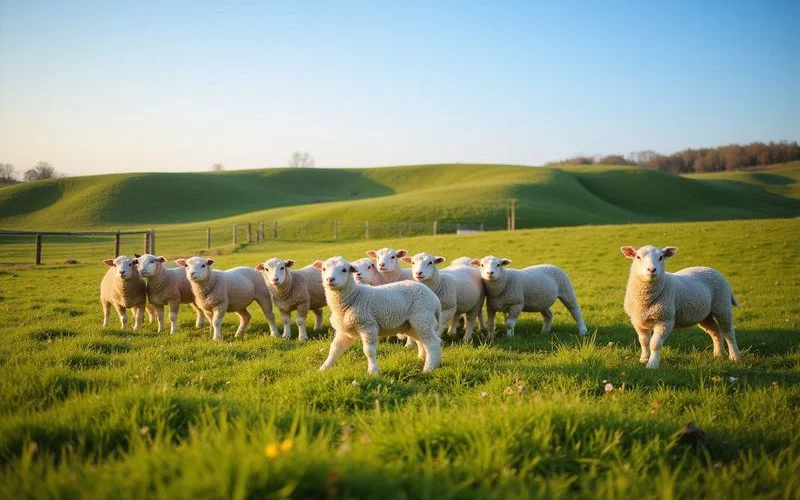
True grass-fed lambs remain on a diet of forage, legumes, and brassicas until the very end.
The USDA Agricultural Marketing Service requires that animals labeled “grass-fed” must have access to pasture during the growing season and cannot be fed grain byproducts.
We always tell our clients to look for the “100% Grass-Fed” label specifically.
Producers can technically use the term “grass-fed” even if they supplement with grain, unless the label specifies “grass-finished.”
This distinction is vital because a grain supplement in the final month can completely alter the omega-3 profile you are paying for.
Flavor and Texture Differences
This is the area where personal preference reigns supreme.
We have found that the flavor profile of lamb is largely determined by compounds called branched-chain fatty acids (BCFAs) and skatole.
Diet directly influences the concentration of these compounds.
Grass-Fed Lamb Flavor Profile
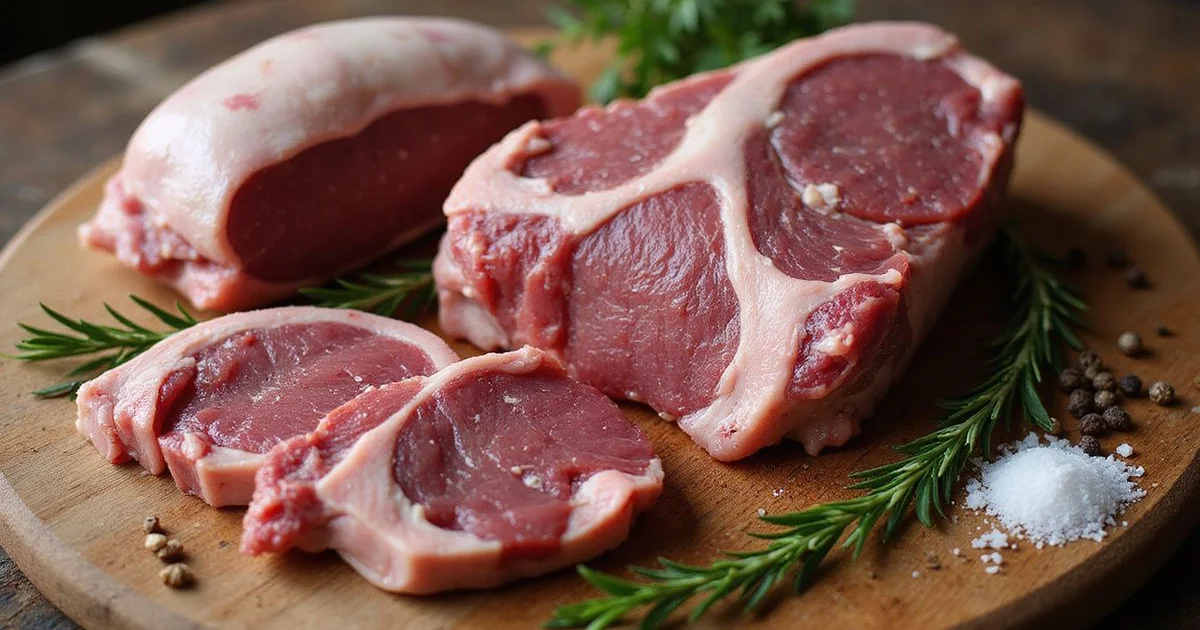
Grass-fed lamb possesses a robust, earthy complexity that reflects the “terroir” of the pasture.
The meat often carries herbal or floral notes depending on whether the sheep grazed on spring clover or summer alfalfa.
Our chefs describe the texture as firmer with a “cleaner” mouthfeel because the fat has a higher melting point.
For those who enjoy the distinct taste of lamb, this is the authentic experience.
Grain-Fed Lamb Flavor Profile
Grain-finishing reduces the concentration of BCFAs, resulting in a milder and sweeter meat.
The fat is softer, whiter, and more abundant throughout the muscle fibers.
We often recommend grain-finished cuts to customers who are transitioning from beef or who find traditional lamb too pungent.
It acts as a culinary bridge for palates accustomed to the consistency of standard supermarket meats.
Comparison at a Glance
We created this comparison to help you visualize the differences before you cook.
| Feature | Grass-Fed & Finished | Grain-Finished |
|---|---|---|
| Primary Flavor | Earthy, herbal, complex, “lamby” | Mild, sweet, buttery, beef-like |
| Fat Texture | Firm, slightly waxy | Soft, creamy, melts easily |
| Fat Color | Yellowish (due to beta-carotene) | Bright white |
| Best For | Slow roasting, braising, curry | Grilling, quick searing, chops |
Nutritional Comparison
The science regarding the nutritional divergence between these two methods is settled.
Grass-fed lamb offers a distinct advantage in specific nutrient categories.
Our review of data from the Journal of Animal Science confirms that what the animal eats dictates the chemical composition of its fat.
Omega-3 Fatty Acids
Grass-fed lamb can contain up to 47mg of Omega-3s per serving, compared to significantly lower levels in grain-fed counterparts.
These are the same anti-inflammatory fats found in salmon and flaxseeds.
We value this because the ratio of Omega-6 to Omega-3 in grass-fed lamb is much closer to the 1:1 ratio that anthropologists believe our ancestors evolved with.
Modern grain-fed diets often skew this ratio heavily toward inflammatory Omega-6s.
Conjugated Linoleic Acid (CLA)
CLA is a powerhouse nutrient associated with improved metabolic health.
Ruminant animals produce this exclusively when fermenting plant fibers in their digestive systems.
We have seen studies showing grass-fed lamb contains 200% to 500% more CLA than lamb finished on corn or soy.
The grain diet changes the pH of the rumen, which effectively shuts down the production of this beneficial fatty acid.
Vitamins and Antioxidants
Grass-fed animals absorb high levels of carotenoids and Vitamin E from fresh greens.
This is why the fat on grass-fed chops often has a slight yellow tint.
Our nutritional analysis indicates that this isn’t just cosmetic; it signals higher levels of precursors to Vitamin A and glutathione, a master antioxidant that protects your cells.
Fat Content and Calories
Grass-fed lamb is naturally leaner.
A standard cut typically has fewer calories per ounce because the animal was physically active on pasture.
We remind our weight-conscious clients that while the calorie difference is moderate, the quality of those calories is vastly different.
You are consuming healthy stearic acid and Omega-3s rather than excess saturated fat derived from a carbohydrate-heavy diet.
Animal Welfare and Environmental Impact
The ethical considerations are often the deciding factor for our customers.
Grass-fed production mimics the natural behavior of the species.
The Welfare Perspective
Sheep are natural wanderers that evolved to graze on varied terrain.
We support farms that utilize rotational grazing, where flocks are moved to fresh pasture daily.
This prevents disease buildup and eliminates the need for the preventative antibiotics often used in crowded feedlots.
Animals raised this way express natural behaviors like flocking and selective foraging.
The Soil Health Connection
Well-managed grazing is a tool for carbon sequestration.
The hooves of the sheep break up hard soil, and their manure fertilizes the ground, encouraging deep root growth.
We have observed that responsible grazing can actually reverse desertification in arid regions of the US.
Industrial grain production for feedlots, conversely, often relies on monocultures that deplete topsoil and require heavy fossil fuel inputs.
Making Your Choice
Your decision ultimately comes down to your palate and your priorities.
We recommend asking yourself three questions before buying.
- What is the dish? If you are making a delicate spring stew, the mildness of grain-fed might disappear, whereas grass-fed will stand up to the spices.
- Who is eating it? If you are serving guests who are skeptical of lamb, the beef-like profile of grain-finished chops is the safer bet.
- What do you value? If maximum nutrient density and soil health are your non-negotiables, grass-fed is the only option.
A Note on Cooking Grass-Fed
You must adjust your cooking technique if you choose grass-fed.
Because the meat is leaner and the protein structure is different, it cooks about 30% faster than grain-fed lamb.
We strongly advise pulling grass-fed lamb from the heat when it is 10°F below your target temperature.
The residual heat will finish the cooking process, ensuring the meat remains tender rather than tough.
At the end of the day, choosing any American lamb supports domestic agriculture.
Our goal is simply to help you find the cut that delivers the experience you expect. If you are ready to explore specific options, our guide on how to choose the best grass-fed lamb cuts breaks down each primal section and cooking method.
Interested in our Grass-Fed Lamb?
Learn More