How to Choose the Best Grass-Fed Lamb Cuts for Any Occasion
A complete guide to grass-fed lamb cuts — from rack and loin to shank and shoulder. Learn which cuts suit grilling, braising, and roasting.
 Lamb & Veal Editorial Team · · 7 min read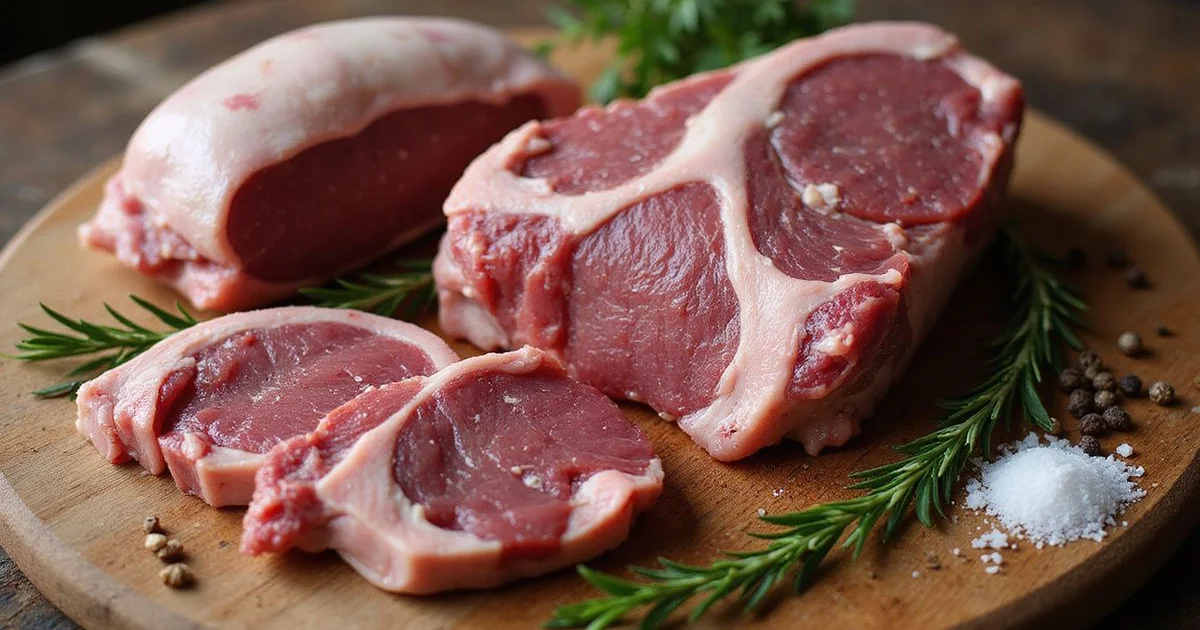
Walking into a butcher shop or browsing an online meat vendor often leads to decision paralysis. You see dozens of options, from expensive racks to budget-friendly shanks, and knowing which one fits your dinner plans is tough.
We have spent years sourcing and preparing grass-fed lamb and premium meats for discerning customers. The distinct flavor profile of pasture-raised lamb requires a specific approach to selection and cooking.
Grass-fed animals spend their lives grazing on open pastures. This diet creates a leaner protein with higher levels of Omega-3s and CLAs compared to grain-finished counterparts.
We want to help you navigate these choices with confidence. You will learn exactly how to match the right cut to your specific cooking method and occasion.
Understanding Lamb Primal Cuts
Every lamb carcass breaks down into five major USDA primal sections. These specific regions determine the texture, fat content, and best cooking method for the meat.
We categorize these based on muscle usage. Muscles that work harder during the animal’s life on pasture will be tougher but more flavorful.
The primary regions you need to know are the shoulder, rack, loin, leg, and breast.
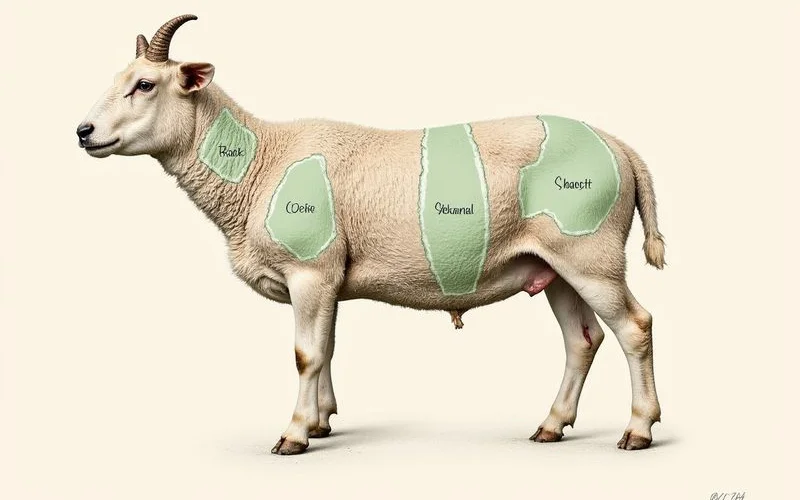
Muscles along the back, like the loin and rack, do very little work. These cuts remain tender and require high heat for short periods.
We find that the shoulder and leg muscles tell a different story. These areas power the animal’s movement across the pasture, building up collagen and connective tissue.
You cannot cook these working muscles quickly. They require low, slow heat to break down that connective tissue into gelatin, which provides that rich, silky texture found in stews.
Quick Reference: Primal Cut Characteristics
| Primal Cut | Texture Profile | Best Cooking Method | Average Price (US) |
|---|---|---|---|
| Loin | Extremely Tender | Grill / Pan-Sear | $$$$ |
| Rack | Tender & Delicate | Roast / Grill | $$$$ |
| Leg | Lean & Versatile | Roast / Butterfly | $$ |
| Shoulder | Tough but Flavorful | Braise / Slow Roast | $$ |
| Shank | Very Tough (Collagen) | Long Braise | $ |
The Tender, Quick-Cooking Cuts
Rack of Lamb
The rack serves as the centerpiece of American lamb cookery. Sourced from the rib section, a standard domestic rack contains eight ribs and offers a mild, grassy flavor unique to pasture-raising.
We generally recommend this cut for high-stakes meals where presentation matters. The external fat layer on grass-fed racks is thinner than grain-fed versions, so it crisps up rapidly.
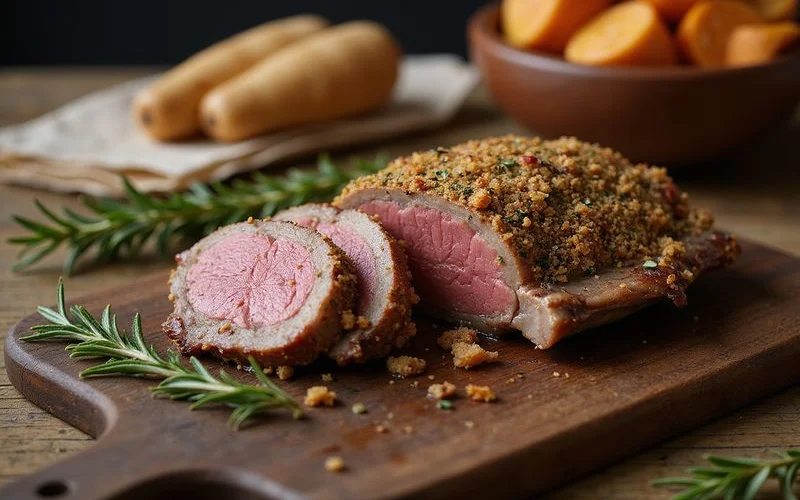
You should sear this cut over high heat or roast it at 400°F+ for a short duration. “Frenching” the bones (cleaning the meat off the rib ends) adds a professional aesthetic to the final plate.
Loin Chops and Tenderloin
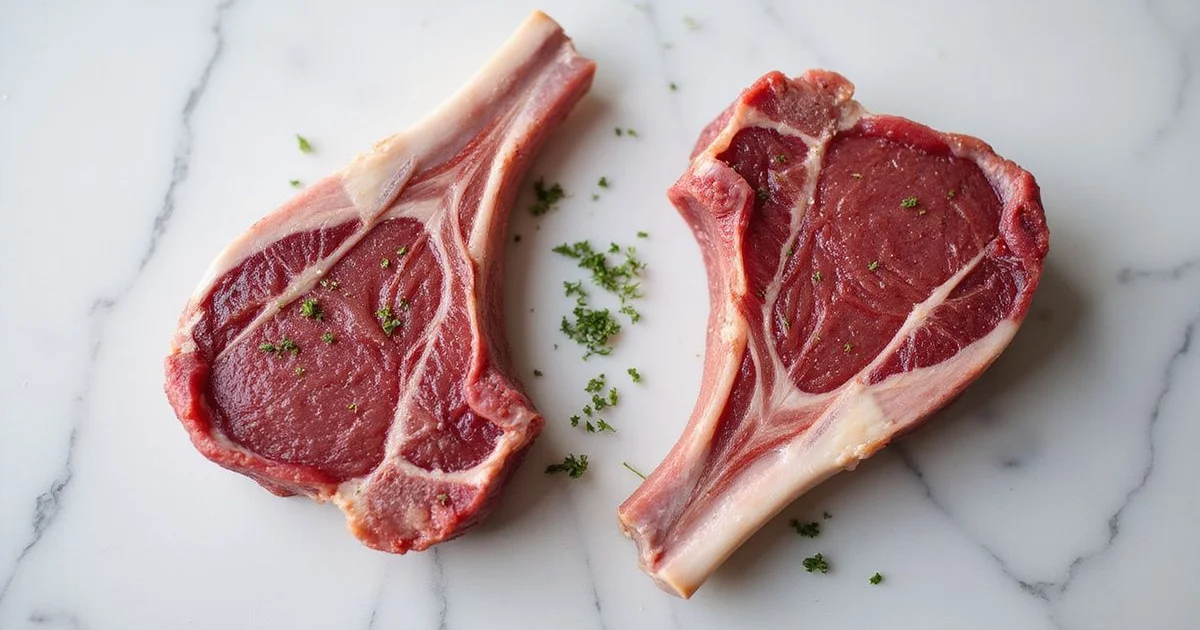
Loin chops function as the lamb equivalent of a beef T-bone steak. You get a cross-section of the loin muscle and a small piece of the tenderloin, separated by a T-shaped bone.
We love these for quick weeknight dinners because they cook in under 10 minutes. A cast-iron skillet or hot grill brings out the best in these chops.
The tenderloin itself is a cylindrical muscle that sits beneath the spine. It is the most tender muscle on the entire animal but also the smallest, rarely weighing more than a few ounces.
Treat it exactly like a filet mignon. A hard sear followed by a brief rest results in a texture that you can cut with a fork.
The Slow-Cooking Powerhouses
Shoulder
The shoulder is the workhorse of the animal. This cut contains a complex network of muscles and connective tissue that requires patience to unlock.
We point customers toward the shoulder when they want maximum flavor for a lower price per pound. It typically costs 20-30% less than the leg or loin.
You can purchase it as a square-cut bone-in roast or a boneless rolled roast. Braising a grass-fed shoulder with aromatics like garlic, rosemary, and red wine transforms the toughness into a melt-in-your-mouth experience.
Ground lamb from the shoulder is also superior to ground leg. The natural fat ratio (roughly 80/20) keeps burgers and meatballs juicy without adding fillers.
Shank
The shank comes from the lower leg section just above the knee. It consists almost entirely of dense muscle and collagen-rich tendons.
We consider this the most forgiving cut for home cooks. You almost cannot overcook a shank as long as moisture is present.
Braising implies cooking with liquid at a low temperature (around 300°F to 325°F) for at least 2.5 to 3 hours. The collagen dissolves into the sauce, giving it a rich body that coats the back of a spoon.
Versatile All-Rounders
Leg of Lamb
The leg is the largest single cut, weighing between 7 and 9 pounds for a whole American bone-in leg. It offers a lean meat-to-bone ratio that feeds a crowd easily.
We frequently suggest the “butterfly” method for faster cooking. Removing the bone and laying the meat flat allows you to grill a whole leg in 30-40 minutes rather than roasting it for hours.
This cut varies in texture from the shank end (tougher) to the sirloin end (tender). Roasting a whole leg provides a gradient of doneness, satisfying guests who prefer medium-well alongside those who want rare.
Breast and Belly
Lamb breast is the equivalent of pork belly or spare ribs. It contains layers of fat and cartilage that pack an incredible amount of savory flavor.
We see this cut gaining popularity among BBQ enthusiasts. It takes smoke exceptionally well and benefits from the same “low and slow” treatment as pork ribs.
Grass-fed lamb breast usually has a smaller fat cap than grain-fed options. This means it renders down faster and feels less heavy on the palate, resulting in a crispy, rich finish.
Selecting the Right Cut for Your Goals
Success starts with matching the cut to your schedule and the event. You should not try to speed-roast a shank, nor should you slow-cook a loin chop.
We have compiled a simple decision matrix to help you choose the best option for your needs:
- For the “Wow” Factor: Choose a French-trimmed Rack. It is expensive but visually stunning and foolproof if you use a meat thermometer.
- For Family Comfort: Pick a Bone-in Shoulder. It feeds a group comfortably and tastes even better as leftovers the next day.
- For Summer Grilling: Go with Loin Chops or a Butterflied Leg. These handle the flare-ups and high heat of charcoal perfectly.
- For Budget Meals: Look for Shanks or Breast. These require time but deliver restaurant-quality depth of flavor for a fraction of the cost.
Visual cues are also important when shopping. Grass-fed lamb fat often has a slight yellow tint compared to the stark white fat of grain-fed animals.
This color comes from beta-carotene in the fresh pasture forage. It indicates a healthy animal and a nutrient-dense diet, so consider it a badge of quality.
Ask your supplier about the specific breed if possible. Heritage hair sheep breeds like Dorper and Katahdin produce a milder, sweeter meat that lacks the heavy “mutton” flavor some people dislike.
We prioritize these breeds for our customers because they consistently deliver a cleaner eating experience.
Interested in our Grass-Fed Lamb?
Learn More