A Beginner's Guide to Nose-to-Tail Cooking with Lamb and Veal
From marrow bones to liver, offal and lesser-known cuts offer incredible flavor and value. Our guide covers preparation, recipes, and sourcing.
 Lamb & Veal Editorial Team · · 8 min read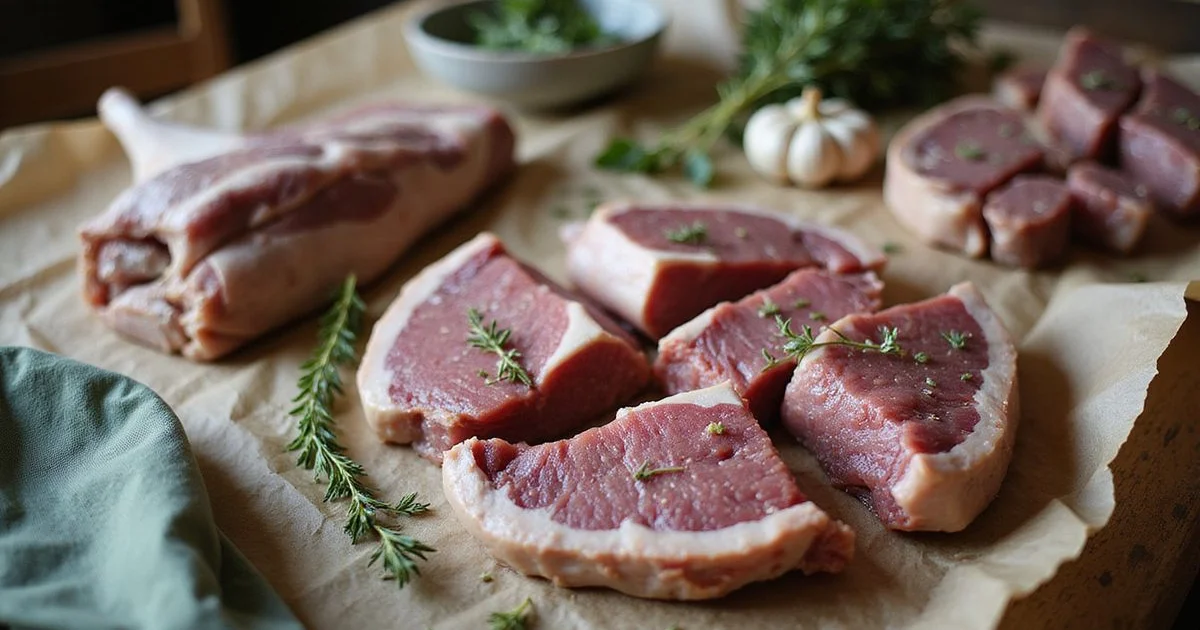
We have noticed a distinct shift in how savvy home cooks and budget-conscious families approach their grocery lists recently. High-quality protein has become one of the most significant line items in the monthly budget.
For a beginner looking to maximize nutrition while minimizing cost, the answer often lies in the “forgotten” cuts.
Our team has spent years analyzing food systems, and the data is clear: eating the whole animal is the most efficient way to consume meat.
Liver, kidneys, heart, tongue, and marrow were once prized staples rather than afterthoughts. Nose-to-tail cooking returns to this logical tradition. It honors the animal by eliminating waste.
This approach rewards the cook with flavors you simply cannot get from a standard filet. Lamb and veal are the ideal entry points because their offal is significantly milder than beef.
Why Nose-to-Tail Matters
We view this through the lens of both ethics and home economics. When an animal is harvested for food, utilizing the entire carcass is a fundamental act of respect.
The USDA estimates that between 30 and 40 percent of the food supply in the United States is wasted. A significant portion of this loss comes from edible offal and “weird” parts ending up in landfills or rendering plants.
Our analysis shows that choosing these cuts is a direct, measurable way to reduce that percentage.
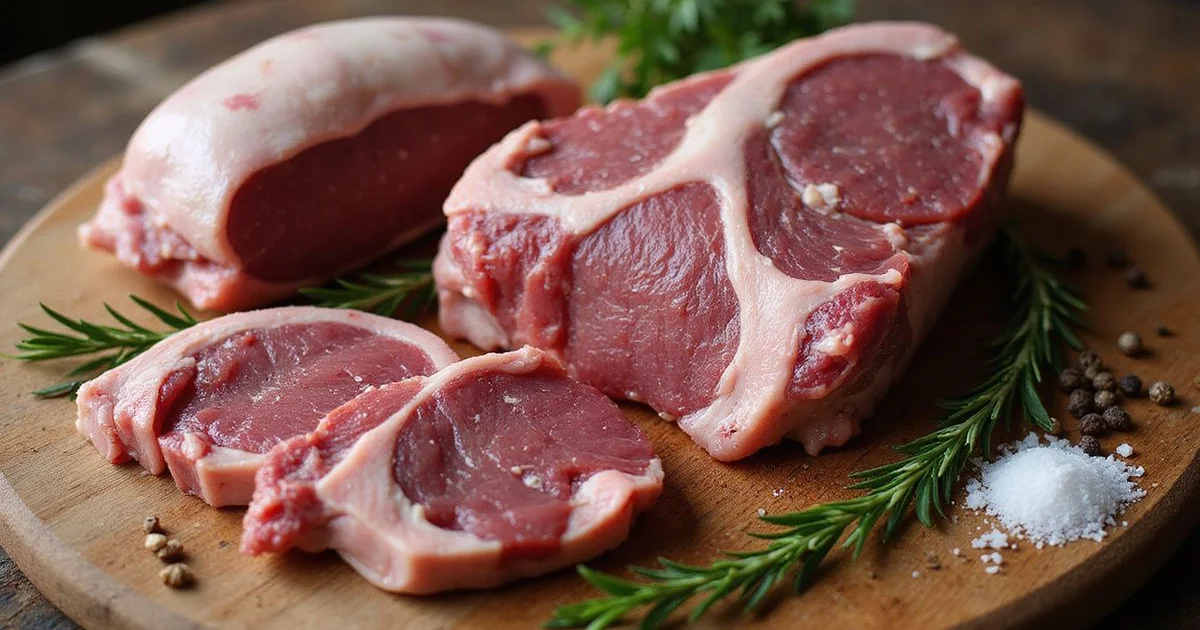
There is also a compelling financial argument to be made. Secondary cuts often trade at a fraction of the price of premium steaks while delivering superior nutritional density.
The Cost-to-Nutrition Ratio
We broke down the current market average to highlight the difference in value.
| Cut Type | Avg. Price (US Est.) | Primary Benefit | Nutrient Density |
|---|---|---|---|
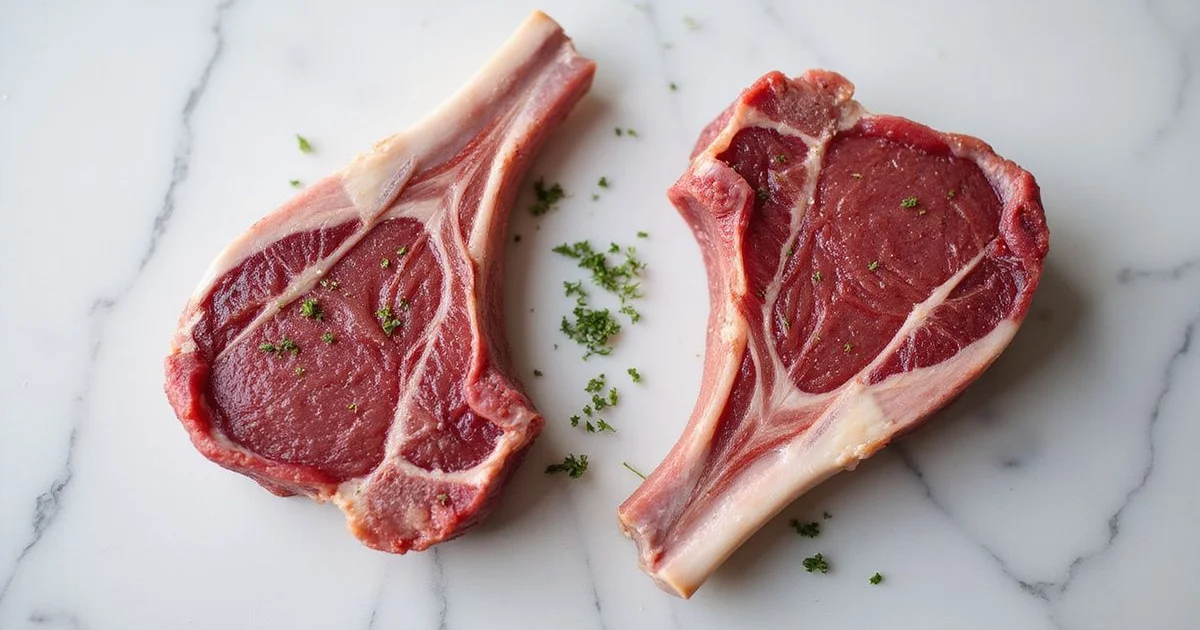
| Lamb Loin Chops | $18.00 - $25.00 / lb | Tenderness | Moderate |
| Ground Lamb | $9.00 - $12.00 / lb | Versatility | Moderate |
| Lamb Liver | $4.00 - $7.00 / lb | Vitamin A & B12 | Extremely High |
| Lamb Heart | $5.00 - $8.00 / lb | CoQ10 & Protein | High |
Lamb liver is arguably one of the most nutrient-dense foods available. It is packed with bioavailable iron, vitamin A, B12, and folate.
We find that marrow bones, necks, and shanks offer similar value. These cuts produce restaurant-quality meals for a fraction of the cost when prepared correctly.
Starting Simple: The Most Approachable Cuts
If the thought of preparing organs seems complex, we suggest bridging the gap with transitional cuts first. These options possess textures similar to conventional roasts but offer deeper flavor profiles.
You treat them exactly like any other braising meat.
Bone Marrow
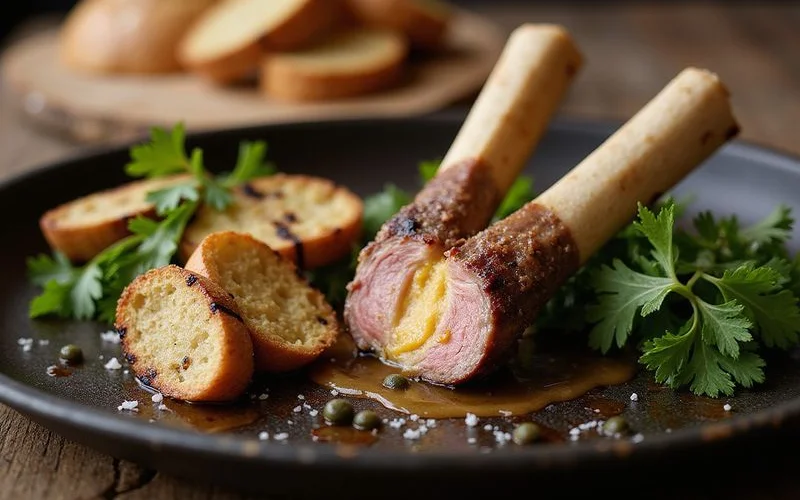
We consider roasted bone marrow the perfect gateway for anyone new to this style of eating. It consists largely of monounsaturated fat, specifically oleic acid, giving it a profile closer to olive oil than animal tallow.
The flavor is rich, buttery, and savory without the mineral intensity that scares some people away from offal.
Ask your butcher to split lamb femur or cannon bones lengthwise. We recommend soaking the raw bones in heavily salted ice water for 12 to 24 hours before cooking to draw out blood and ensure a pristine white final product.
Place them cut-side up on a sheet tray. Season with flaky salt and pepper. Roast at 425 degrees Fahrenheit for 15 to 20 minutes until the marrow is soft, bubbly, and slightly golden.
Spread the warm marrow on toasted sourdough. Top it with a parsley and caper salad dressed in lemon juice to cut the fat.
This dish remains one of the most luxurious bites in the culinary world, yet the core ingredient costs pennies compared to a ribeye.
Lamb Shanks
We classify shanks as a muscle cut, but they behave like offal due to their density. They contain high amounts of collagen, a protein that breaks down into gelatin when cooked between 160 and 180 degrees Fahrenheit.
This conversion is the secret to a great braise.
Cook them low and slow in wine, stock, and aromatics. The tough tissue transforms into spoonable meat. The dissolved collagen creates a sauce that is naturally thick and glossy without the need for cornstarch or flour.
If you have successfully braised a shank, you are already practicing nose-to-tail principles.
Neck
We believe lamb and veal necks are the most undervalued assets in the butcher case. Similar to oxtail—which has skyrocketed in price recently—the neck is loaded with connective tissue.
This cut dissolves during long simmers to produce incredibly rich stews.
Lamb neck excels in curries and tagines. The bone and collagen enrich the cooking liquid, adding body and nutrients that store-bought stock cannot match.
Embracing Organ Meats
Once you are comfortable with collagen-rich cuts, the next logical step is true offal. We recommend lamb and veal organs over beef because they possess a finer texture and a much subtler flavor profile.
Liver
Lamb liver is smoother and sweeter than its beef counterpart. The most common mistake we see is overcooking, which turns the texture granular and chalky.
Follow this protocol for the best results:
- Slice thin: Aim for half-inch slices.
- Dry it off: Moisture prevents browning.
- High heat: Use a hot skillet with butter.
- Fast sear: Two minutes per side is the maximum.
The exterior should caramelize while the interior remains rosy pink. We serve this with caramelized onions and a splash of sherry vinegar. The acidity cuts through the richness, balancing the mineral notes perfectly.
Kidneys
We find that lamb kidneys are small, tender, and far more approachable than pork kidneys. Preparation is the single most important factor here.
You must split them in half and remove the central core of white fat and connective tissue.
We strongly advise soaking the cleaned kidneys in cold milk for at least one hour. The casein in the milk binds to the compounds that cause the “barnyard” aroma, effectively neutralizing the strong flavor.
Pat them dry and sear quickly in hot butter. They are the centerpiece of traditional British deviled kidneys on toast.
Sear them with mustard, Worcestershire sauce, and a pinch of cayenne. Serve on crusty bread for a savory, high-protein meal.
Heart
The heart is a muscle, meaning it eats like a steak rather than an organ. It is pure lean meat.
We love it because it has zero “offal” flavor. Lamb heart has a texture similar to venison or tenderloin—dense, smooth, and remarkably tender.
Trim away the hard white fat cap and valves. Slice the heart into thick strips. Grill or pan-sear quickly to medium-rare.
The flavor is clean and beefy. It works exceptionally well in Peruvian anticuchos (skewers) or sliced thin for quick stir-fries.
Tongue
Lamb tongue is considered a delicacy in culinary traditions ranging from Mexico to Japan. We want to be clear that this cut requires patience.
It is a tough muscle that needs time to break down.
Simmer the whole tongue in seasoned water for two to three hours. It is ready when a paring knife slides in with zero resistance.
You must peel off the thick outer skin while the tongue is still warm. If it cools down, the skin adheres to the meat and becomes difficult to remove.
Slice, dice, or shred the tender inner meat. We like to crisp the meat in a hot skillet to develop a golden crust (carnitas style) before serving in tacos.
A Beginner Sourcing Guide
Finding these cuts often requires looking beyond the standard grocery chain. Supermarkets generally only stock the “middle meats” like chops and loins.
We suggest targeting three specific sources:
- Farmers’ Markets: Direct conversations with producers often reveal a freezer full of “unsellable” organs they are happy to move.
- Specialty Butchers: A real whole-animal butcher shop will save these parts for customers who ask.
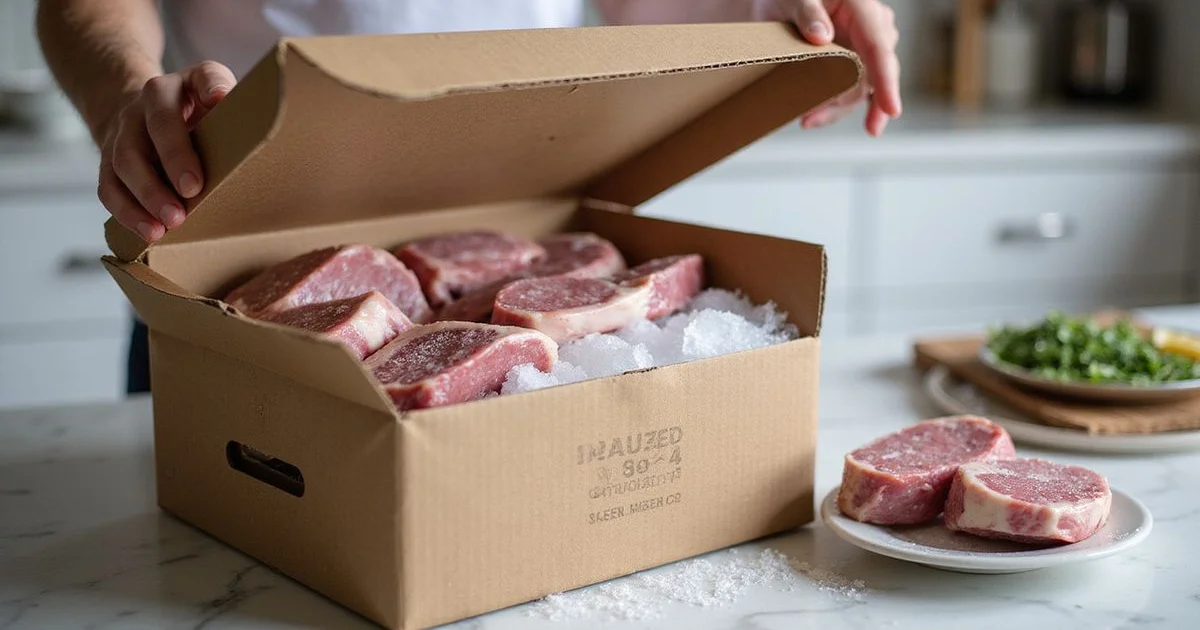
- Online Direct-to-Consumer: Vendors like US Wellness Meats or White Oak Pastures ship frozen offal nationwide.
Many pasture-based producers offer variety boxes at a discount because supply of these cuts exceeds demand.
If you have the freezer space, we recommend buying a whole or half lamb. A whole lamb typically yields 30 to 40 pounds of hanging weight.
You get the premium chops, but you also get the shanks, neck, bones, and the full organ set. The price per pound on a whole animal is significantly lower than retail, maximizing your return on investment.
The Bigger Picture
Nose-to-tail cooking is a mindset shift. It connects your kitchen to the reality of the food system.
We find that roasting a bone for marrow or searing a kidney fosters a deep appreciation for the resources required to produce food. It changes how you view waste.
You also discover that the most flavorful ingredients are often the ones others overlook.
Interested in our Grass-Fed Lamb?
Learn More